
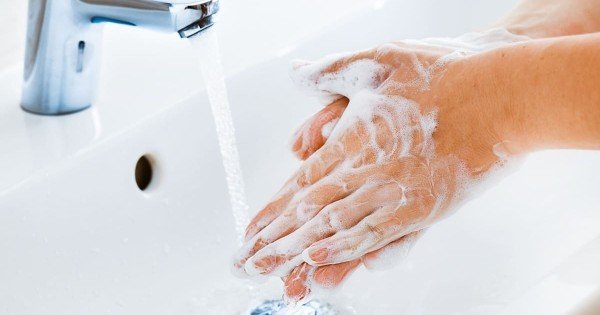
Why do we need to wash our hands?
Because it isThere are around 400,000 germs on one palm and washing your hands properly, using the right products, can reduce germs on your hands and reduce your chance of getting sick.
Each of us washes our hands several times a day. Yet, not washing your hands well can mean not washing them at all. Everyone thinks they do it right, but in reality few people know exactly how to wash themselves correctly. Read this article and find out what the hand hygiene procedure consists of!
Washing your hands: steps
Even if it seems like a simple gesture, washing your hands is one of the most effective ways to prevent diseases. Here’s how to wash your hands correctly!
Wet your hands with plenty of water!
First of all, water activates the action of soap. The ideal temperature is Heat, hot enough to help emulsify grease and dirt, but not so hot that it dries out your skin. This seemingly trivial step helps dissolve visible particles and creates the ideal conditions for the soap to work effectively.
Water that is too cold reduces the ability of the surfactants in soap to dissolve fats, while water that is too hot can destroy the skin’s natural lipid barrier, making it more vulnerable.
Apply soap or hand sanitizer to the palm of your hand!
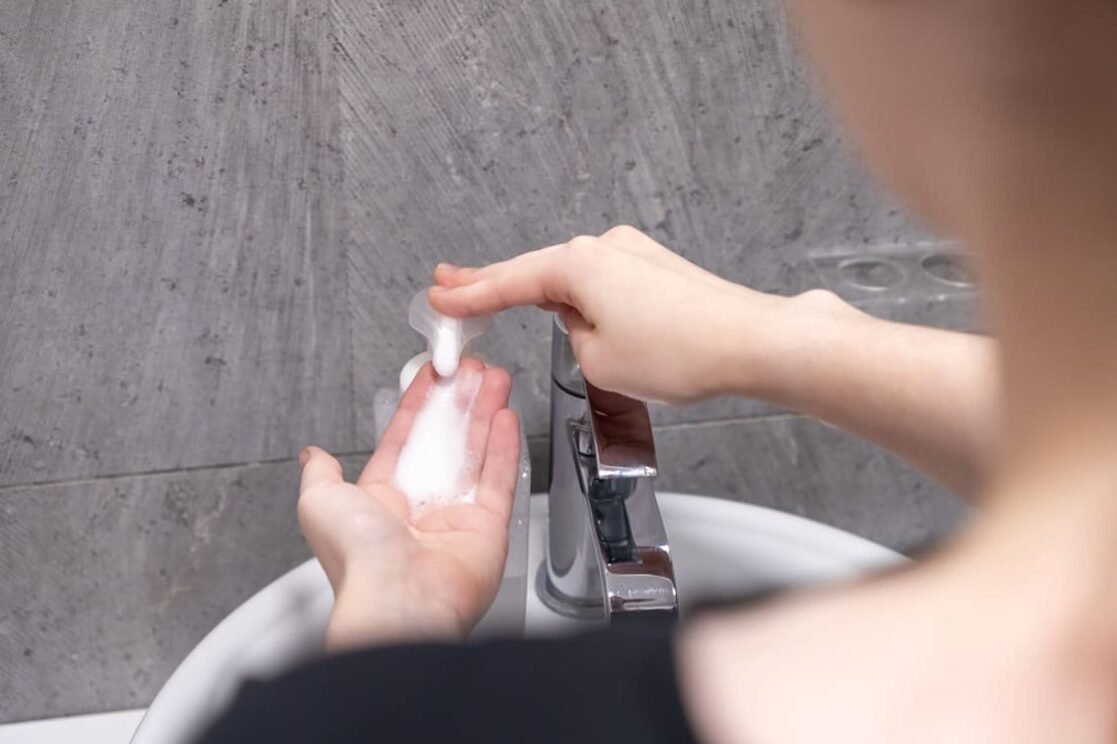 Use a generous amount of liquid soapfoam or solid. Distribute it well on the palms of your hands. If it is foam, you have the advantage of quick and even distribution. Important: disinfectant DOES NOT replace washing with soapIt only partially neutralizes germs, without removing visible dirt or oils that “host” the bacteria.
Find out more about types of disinfectants: practical guide to choosing the most effective solutions!
Rub each other’s palms as firmly as possible! Don’t forget your wrists!
Start with vigorous, palm-to-palm movements, covering the entire surface, including the base of the fingers and the folds of the skin. Continue at least for 10 secondsso that the mechanical action allows the soap molecules to “stick” to impurities and germs.
Slightly rubbed areas of the hands (such as the base of the thumb and the creases of the palm) often remain contaminated even after washing!
The palm and back of the hand rub each other
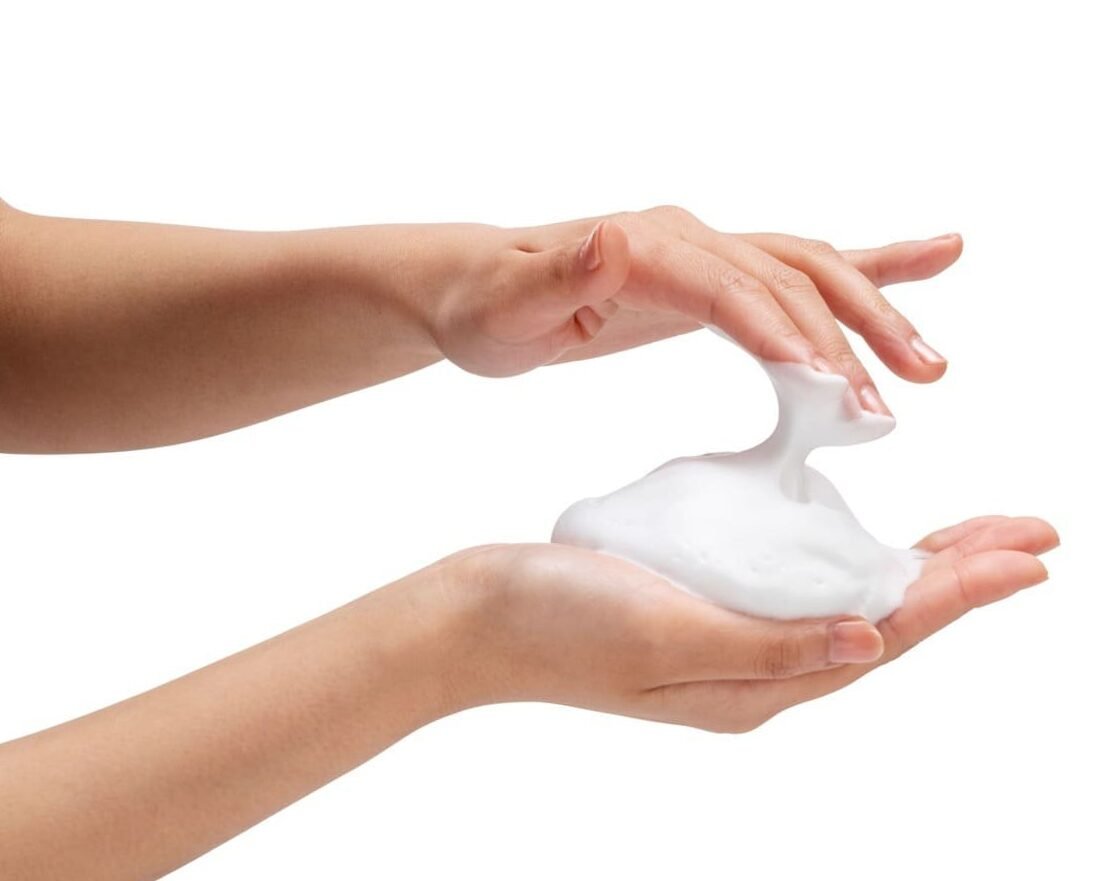 Continue rubbing each hand against the back of the other, with fingers interlocked. It persists between the fingers, often forgotten places where moisture and sebum trap bacteria. It also includes the wrist area and the tip of the thumb, which are often exposed but rarely cleaned effectively.
Anaerobic bacteria can grow in the moist areas between the toes if they are not cleaned frequently, especially in children or people with sensitive skin.
Clean the space between your fingers carefully!
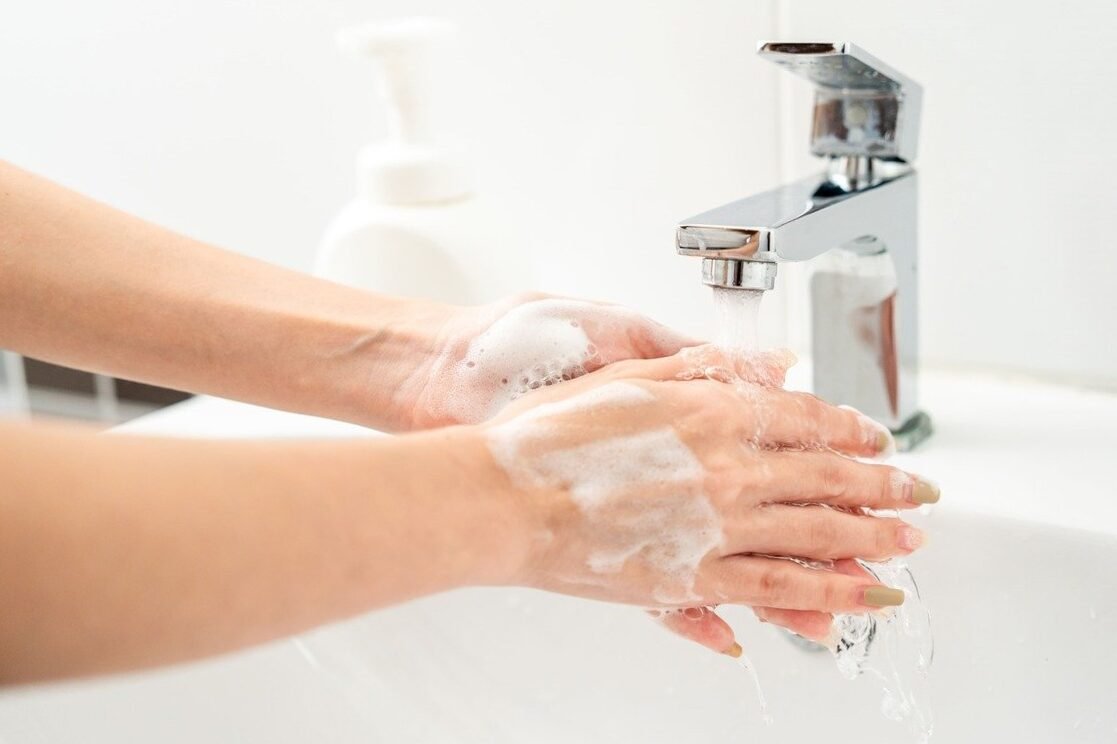 Rub your fingertips against the opposite palm in a circular motion, then gently rub your nail against the tip of your other finger. If you work in contact areas (medical, food, educational), use special nail brushes. Most bacteria accumulate there, without being visible.
Under the tap, rinse your hands with plenty of water!
Place your hands under the jet of clean water and rinse each area thoroughly: palms, back, fingers, wrists. Soap residue can irritate your skin or keep your pH off, so don’t stop until you feel the lather completely.
Careful: incomplete washing, with foam remaining on the hands, can cause dryness, dermatitis or irritation in sensitive areas (e.g. between the fingers).
When you turn off the tap, don’t forget to clean it to avoid infections caused by bacteria that remain on the tap after washing both hands!
If the faucet is not detected, close it with a paper towel. If you touched it directly before washing, you may have contaminated it. Clean the faucet with soap or disinfectant it is an often overlooked but essential step in environments such as schools, hospitals or restaurants.
Dry your hands using paper towels or disposable paper towels!
usage paper towels or disposable wipes. Avoid common cotton towels (in public spaces), which can provide a perfect environment for bacteria if not changed daily. Warm air dryers are an acceptable option, but they can spread germs into the air if not properly disinfected.
The entire routine should last 40-60 seconds.
Excessive hand washing: when is it excessive?
Proper hand washing is one of the most effective ways to prevent disease. But, like any healthy habit, if taken to extremes, it loses its benefits and can become harmful. If you end up washing yourself compulsively, dozens of times a day, even without a concrete reason (e.g. contact with dirty surfaces, food, toilets, etc.), it is a sign that the skin’s natural barrier may be compromised.
What happens when you wash your hands too often?
-
Dryness of the skin – excess soap strips the skin of its natural oils, causing chapped, rough and irritated skin
-
Irritations and dermatitis – especially in the area between the fingers and around the wrists, where the skin is thinner
-
Imbalance of the skin microbiome – “Good” bacteria are removed, leaving the skin more vulnerable to infections
-
The appearance of compulsive gestures – in some cases, excessive washing can be a symptom of obsessive-compulsive disorder (OCD)
How “normal” is it to wash your hands?
The WHO and CDC recommendations are clear: wash your hands when necessarynot automatically. Here are some key examples:
-
After you go to the bathroom
-
Before eating or cooking
-
After coughing, sneezing or blowing your nose
-
After being in public spaces (transport, shops)
-
After touching money, animals or garbage
If you follow these key moments, you won’t need to wash more than is healthy per day. Otherwise, moisturizing gels and repairing creams they are the ideal ally for frequently washed hands.
Signs you’re overdoing handwashing:
-
You wash even when you haven’t had contact with anything suspicious
-
You feel anxious if you don’t wash as soon as you touch something
-
You wash at short intervals, even if your hands are clean
-
Your hands are constantly red, dry, or have scaly skin
What soap can you use from the Sanito.ro store?
On the website you can find products from the soaps and disinfectants category that belong to brands such as TorkAqa Choice, Ecolab golds Conga. Many of these products are also used in hospitals or medical clinics, because their effectiveness is so high that doctors and nurses use them without fear.
You can also use professional hand sanitisers from the Tork range, such as Alcoholgel Premium disinfectant gel for 1 L. This disinfectant gel is used for effective hand cleaning. Compared to traditional hand washing with soap and water and drying with absorbent paper, those who use Tork Premium Alcoholgel will notice that this solution is even more effective for hand hygiene. The gel quickly sanitizes and disinfects hands, without water. With this gel, 99.9% of bacteria are eliminated.
Choose professional and effective solutions for correct hand and surface hygiene. So you can enjoy a healthy life every day!
Sursa photo: Shutterstock
latest posts published

Necessary accessories for a perfectly functioning terrace

Ancient wood sources for authentic projects

Tips for choosing an electric scooter

How do we preserve fruit and vegetables for the winter?

For a cleaner home: choose the most suitable vacuum cleaner!

Special carpets for spaces with heavy traffic

How to install LVT on steps with rounded edges
Design trends for colored rubber flooring

Antibacterial linoleum: safe option for schools and hospitals