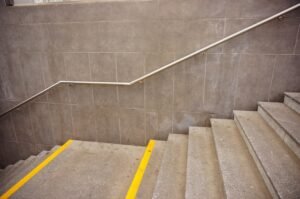
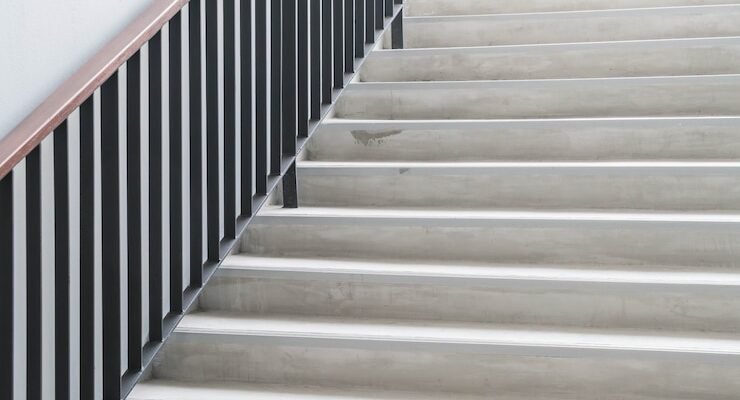
When it comes to choosing materials for tiling the stepsIt is essential to understand the differences between concrete, wood and metal steps. Each material has unique characteristics that influence durability, aesthetics, cost and maintenance. As manager and founder of RATGROUP SRL, with over 10 years of experience in the industry, I have had the opportunity to work with all these materials in various residential projects, including residential complexes and new homes.
With regard to SUSTAINABILITYConcrete steps are extremely wear-resistant and can withstand various weather conditions, being ideal for outdoors. Wood, on the other hand, requires constant maintenance to avoid damage due to humidity or insects. Metal steps are very durable, but can be subject to corrosion if not properly treated. For example, in a project created for a residential complex in Bihor, we used concrete steps to ensure maximum durability in case of bad weather.
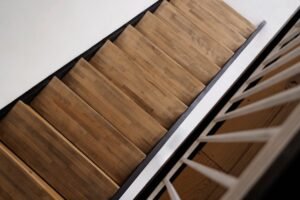
Aesthetics plays a crucial role in the choice of material for steps. Wooden steps offer a warm and natural look, perfect for new homes or new apartments, giving a sense of comfort. Concrete can be finished in various ways to blend into the overall design of a building, while metal adds a modern, industrial look. In a recent project we used Admonter antique wood to create elegant steps in a new home, significantly improving the overall look of the interior.
Initial and maintenance costs vary significantly between the three types of steps. Concrete stages have a higher initial cost due to the casting and finishing process, but require little long-term maintenance. Wood has a moderate initial cost, but regular maintenance can increase expenses. Metal steps may have a low initial cost, but anti-corrosion treatments are essential to maintaining their appearance. We at RATGROUP SRL make sure that our customers are informed about all these aspects before making a decision.
Another important aspect is anti-slip properties of steps. The concrete steps can be finished with particular textures to prevent slipping, while the wood can be treated with anti-slip oils or paints. Metal can have non-slip coatings, but it’s important to choose a type of metal that won’t become slippery when wet. In a project carried out for the Passau regional hospital we implemented concrete steps with a non-slip finish which improved the safety of patients and visitors.
The environmental impact of the production and recycling of each type of material is another factor to consider. Concrete has a significant carbon footprint due to the manufacturing process, but it is recyclable. Wood is considered a sustainable material if it comes from responsibly managed sources. Metal can be recycled efficiently, but the extraction and processing process can be harmful to the environment. At RATGROUP SRL, we strive to use materials that comply with ecological standards and to inform customers about available options.
Flexibility in design is another advantage of wood, concrete and metal steps. Wooden steps can be easily customized by cutting and finishing them according to customer preferences. Concrete can be poured into various shapes and metal can be worked to create unique designs. In a recent project for a residential complex in Tyrol, we created custom metal steps that integrated perfectly into the modern design of the building.
Installation time and complexity of the process vary between the three types of cladding. Installing concrete steps takes time to pour and dry, which can delay the completion of the project. Wooden steps are quicker to install, but require precision cutting and assembly. Metal can be installed quickly, but requires specialized cutting and welding equipment. We at RATGROUP SRL use professional Columbus sanders and Wolf brand machines to guarantee an efficient and quality installation.
The weight and support structure required for each material are critical considerations in stair design. Concrete steps are heavy and require a solid base, while wood is lighter and can be used in less sturdy constructions. Metal is lightweight compared to concrete, but must be well anchored to avoid warping. In a project for Caverion Deutschland GmbH we used metal steps integrated into a lightweight structure, demonstrating the versatility of this material.
Fire resistance and safety of use are fundamental when choosing materials for steps. Concrete is not combustible and guarantees greater safety in case of fire. Wood can be treated with flame retardants to improve its fire resistance, while metal has good fire resistance but can heat up quickly. We at RATGROUP SRL make sure that all the materials used comply with current safety standards.
Long-term maintenance is critical to maintaining the appearance and functionality of your steps. Concrete steps require periodic cleaning and minimal maintenance, while wood requires regular painting or varnishing to avoid damage. The metal may require periodic anti-corrosion treatments to maintain its aesthetic appearance. Within RATGROUP SRL, we offer complete maintenance services for all types of steps we install.
Current trends in stair design influence the choice of material. More and more customers are opting for combinations of materials, such as wood with metal or concrete with glass, to create interesting visual effects. These trends are reflected in our recent projects, where we have integrated modern elements into residential complexes.
Relevant case studies include projects successfully implemented by RATGROUP SRL using different types of steps. At the Audi dealership in Munich, for example, we implemented concrete measures with elegant finishes that improved the brand image. At College Zell am Tee Tirol we also used old wood to create a warm and welcoming atmosphere.
Our advice for choosing the right material depends on the type of building and use. For commercial buildings or public spaces, concrete steps are ideal due to their durability. On the contrary, for new houses or new apartments, wood offers a pleasant and comfortable aesthetic.
Recent innovations in stair covering technology have led to the development of new materials and advanced techniques that improve performance and aesthetics. We at RATGROUP SRL keep up to date with these innovations to offer our customers the best solutions available on the market.
If you are interested in discussing the options available for stair cladding in your residential or commercial projects, we invite you to visit us at our office in Sat Chiribiș, Nr. 238, Bihor. Our team of experts is ready to provide you with personalized advice and solutions tailored to your needs.

latest posts published

Necessary accessories for a perfectly functioning terrace
Ancient wood sources for authentic projects

Tips for choosing an electric scooter

How do we preserve fruit and vegetables for the winter?

For a cleaner home: choose the most suitable vacuum cleaner!
Special carpets for spaces with heavy traffic
How to install LVT on steps with rounded edges
Design trends for colored rubber flooring

Antibacterial linoleum: safe option for schools and hospitals