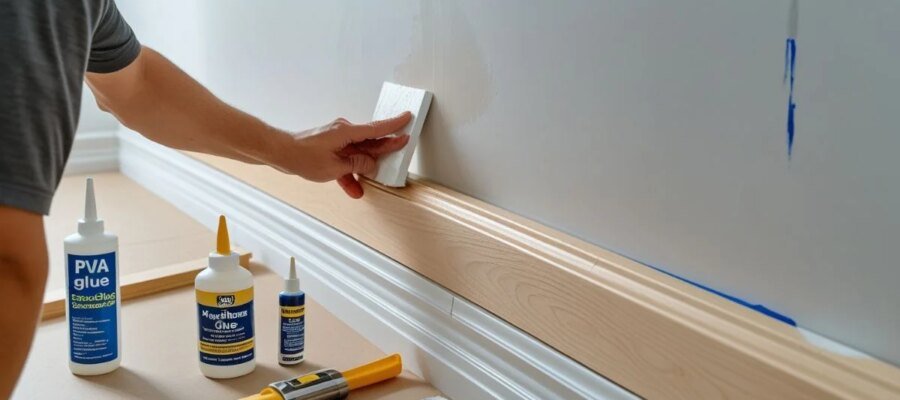
Choosing the ideal glue to fix MDF skirting boards makes the difference in the aesthetic result and durability of the finish. An unsuitable product can cause detachments, deformations or stains which compromise the beauty of the environment. This is why it is important to know the characteristics of each adhesive and understand in which situations each is best applied. This guide will present the main options available on the market and help you confidently decide which glue for MDF skirting boards is best for your project.
In this text we will talk about how the most used glues work, we will compare their advantages and limitations, we will explain how to adapt the choice to the type of environment and we will detail a step-by-step application process. We will also give maintenance advice to keep the skirting board always firm and aligned. At the end you will find a summary with the main points and a section of frequently asked questions to clarify the most common doubts before purchasing the product on Rodapé Shop.
What is MDF skirting glue and what are the options
MDF Baseboard Glue is an adhesive formulated to promote a strong bond between the MDF and the wall, without the need for nails or screws. In general these products have good elasticity and adhesion on smooth and porous surfaces. The most common options include:
- Vinyl glue
- polyurethane glue
- Acrylic contact glue
- Modified silane based mounting adhesive
Each option has its own characteristics of mechanical resistance, drying time and application. PVA glue is distinguished by its affordable cost and ease of use. Polyurethane glue offers high moisture resistance and can be recommended in humid areas. The contact acrylic glue sets quickly, ideal for those who need to fix several meters of skirting in a single day. The mounting adhesive combines convenience of application with a discreet finish, eliminating the need to drill holes in the wall.
Advantages and limitations of each type of glue
When choosing glue for MDF skirting boards, it is important to compare the positive and negative points of each category.

Photo: reproduction
Vinyl glue
Advantages
- Easy application with brush or spatula
- Low odor and simple cleaning with water
- Good grip on dry internal surfaces
Limitations
- Not resistant to high humidity
- Maturation time of at least 24 hours
polyurethane glue
Advantages
- High resistance to water and humidity
- Good flexibility for small wall movements
- Excellent grip on uneven surfaces
Limitations
- Requires applicator gun
- It emits a stronger odor when curing
- Higher cost
Acrylic contact glue
Advantages
- Immediate adhesion after contact
- Ideal for series production
- Does not run during application
Limitations
- Requires precision in application
- Less elasticity than polyurethane
- The final polymerization also takes about 24 hours
Modified silane mounting adhesive
Advantages
- Clean and hole-free application
- Good mechanical resistance and durability
- Uniform hold and discreet finish
Limitations
- Reduced performance in exposed outdoor areas
- Requires the use of an applicator gun
How to choose the ideal glue for every environment
Determining the best adhesive directly depends on where the skirting board will be installed.
Dry indoor environments
In living rooms, bedrooms and corridors without humidity I recommend PVA glue. Combine low cost with adequate grip. For skirting boards up to 8 centimeters high, the finish, if applied correctly, remains firm for many years.
Wet areas
Kitchens, bathrooms and laundry rooms require water-resistant products. Polyurethane glues form a barrier against humidity and prevent detachments or blisters. In more sophisticated projects it is possible to combine polyurethane with a specific sealant for joints.
Quick installations
For those who work with large linear meters and need agility, acrylic contact glue reduces the waiting time between application and fixing. This feature speeds up planning, but requires careful placement of each part.
Projects without exercises
On walls that cannot be drilled for structural or aesthetic reasons, modified silane mounting adhesive is the most appropriate choice. Attaches securely and keeps the finish clean, eliminating the need for plugs and screws.
Step by step application of glue for MDF skirting boards
Prepare the surface
Clean the skirting board and wall thoroughly, removing dust, grease or putty residue. Cleaning with a slightly damp cloth helps ensure maximum adhesion.
Regulate the temperature and humidity
Ideally, the application takes place at temperatures between 15 and 30 degrees Celsius and a relative humidity below 70%. This ensures uniform curing of the adhesive.
Measure and cut the skirting board
Measure the walls with a ruler or tape measure and cut each piece of skirting with a saw suitable for MDF. Leave 2 millimeters of space at each corner to allow for expansion.
Apply glue
- For PVA glue, use a notched trowel or a fine brush and spread the threads along the contact face
- For the polyurethane glue and mounting adhesive, use an applicator gun, creating zigzag beads approximately 5 millimeters high.
- For contact glue, apply to both surfaces and wait three to five minutes before joining them
Correct and align
Place the skirting board against the wall, pressing firmly. Use a level or aluminum ruler to check alignment. In corners, adjust the straight or angled fittings according to the profile.
Wipe off the excess
Remove excess glue immediately with a damp cloth or recommended solvent. This prevents stains on the floor and damage to the finish.
Healing time
Allow to dry as directed by the manufacturer. Generally 24 hours for PVA and contact glue and 48 hours for polyurethane. Avoid shock or heavy cleaning before complete curing.
Care and maintenance after installation
After fixing the MDF skirting, periodic care contributes to the durability of the finish.
Gentle cleaning
Use a soft cloth moistened only with water or neutral soap. Avoid aggressive products that contain solvents or abrasives.
Six-monthly inspection
Check the joints and corners every six months to identify any detachments. If you notice any loose areas, reapply a little glue to the area.
Impact protection
Avoid dragging furniture directly onto the baseboard. Use felt on chair and table bases to preserve the surface.
Spot reapplication
In case of small defects it is possible to reinforce the adhesive only in the affected area. Remove damaged filler or finish, apply new glue and touch up paint.
Conclusion
The choice of the best glue for MDF skirting boards essentially depends on the environmental conditions and the type of execution desired. For dry areas, vinyl glue offers convenience and savings. In spaces subject to humidity, polyurethane glue guarantees resistance and durability. Those who need a quick application can opt for acrylic contact glue and those who don’t want to drill the wall can use modified silane-based mounting adhesives. Following careful precautions and carrying out periodic maintenance guarantees firm, aligned skirting boards that always look new, enhancing the finishes of your home or office.
Frequently asked questions
Which glue to use quickly when I have little time to install skirting
For quick installations, I recommend acrylic contact glue, which bonds immediately after contact and eliminates the need for long waits before completing the fixing.
I can apply PVA glue in the bathroom or laundry room
This is not ideal as PVA glue does not withstand high humidity. Use polyurethane glue in these environments to avoid loosening or bubbles.
How to clean glue residue without damaging the skirting board
Clean with a soft cloth moistened with warm water and neutral soap before the glue dries completely. If necessary, use a plastic spatula to gently scrape off any excess.
latest posts published

Necessary accessories for a perfectly functioning terrace

Ancient wood sources for authentic projects
Tips for choosing an electric scooter

How do we preserve fruit and vegetables for the winter?

For a cleaner home: choose the most suitable vacuum cleaner!
Special carpets for spaces with heavy traffic
How to install LVT on steps with rounded edges
Design trends for colored rubber flooring
Antibacterial linoleum: safe option for schools and hospitals