
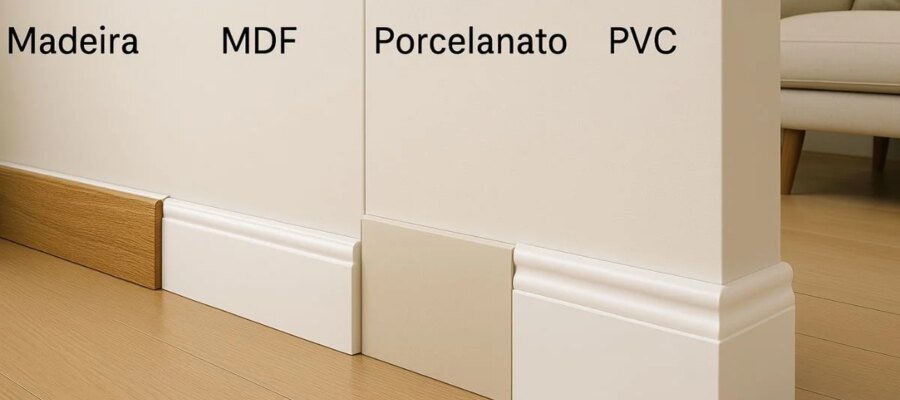
Skirting boards are fundamental elements in the finishing of any environment, they offer protection to the walls, contribute to the aesthetics of the space and give a feeling of harmony between the floor and walls. With so many options available on the market, such as wood, MDF, porcelain, PVC and polystyrene, choosing the best skirting board depends on factors such as durability, style, cost and practicality. In this article we will explore the different types of skirting boards, their characteristics, advantages and disadvantages, to help you make the ideal choice for your project.
1. What to consider when choosing the ideal skirting board?
Before delving into the different types of skirting boards, it is important to understand the criteria for choosing the right model:
- Material: The material defines the durability, moisture resistance and aesthetics of the skirting board.
- Height: The height of the skirting board varies depending on the style of the room. Higher baseboards add sophistication, while lower models are more discreet.
- Style: Consider the design of the room – modern, classic or rustic – to harmonize the skirting board with the rest of the decor.
- Practicality: Make sure the skirting is easy to install, clean and maintain.
- Budget: Compare the costs of each material and evaluate the cost-benefit ratio.
These criteria will guide your decision, ensuring that the skirting board meets your aesthetic and functional needs.
- Main types of skirting boards
2.1 Wooden skirting boards
Wooden skirting is a classic and elegant choice. Being a natural material, it brings a touch of warmth and refinement to the environment.
Advantages:
- Aesthetic value: combines with classic and rustic styles.
- Versatility: Can be painted or varnished.
Disadvantages:
- Moisture Sensitive: May warp in humid areas such as bathrooms.
- Higher cost than other materials.
- Ideal for: Dry indoor environments, such as living rooms and bedrooms.

Photo: reproduction
2.2 MDF plinth
MDF (medium density fiberboard) is one of the most popular materials for baseboards due to its affordable cost and sophisticated appearance.
Advantages:
- Easy to install.
- Customizable: can be painted in different colors.
- Available in different sizes and styles.
Disadvantages:
- Not recommended for humid areas: MDF can swell on contact with water if left untreated.
- Less resistant to impacts.
Ideal for: Dry indoor environments with particular attention to cost-benefit ratio and aesthetics.
2.3 Porcelain skirting boards
Porcelain tile is known for its strength and durability, making it a practical choice for modern environments.
Advantages:
- High durability and moisture resistance.
- Easy to clean.
- Pairs with porcelain tile floors to create a seamless look.
Disadvantages:
- High cost.
- More complex installation, requiring specialized labor.
Ideal for: kitchens, bathrooms and wet areas.
2.4 PVC skirting boards
PVC is a light and economical alternative, ideal for those looking for practicality without sacrificing functionality.
Advantages:
- Moisture and mildew resistant.
- Easy to install.
- Economic.
Disadvantages:
- Less sophisticated visual.
- Less resistant to impacts.
Ideal for: Outdoor areas, laundry rooms and spaces requiring water resistance.
2.5 Polystyrene plinth
Polystyrene, also known as EPS, a modern and sustainable material, increasingly appreciated on the market.
Advantages:
- Moisture resistant, ideal for humid areas.
- Lightweight and easy to install.
- Available in different colors and finishes.
- Sustainable because it is recyclable.
Disadvantages:
- Intermediate cost, more expensive than PVC, but cheaper than porcelain stoneware.
Ideal for: Modern environments and humid areas.
3. How to choose the ideal skirting board height?
The height of the baseboard can have a direct impact on the aesthetics of the room. Here are some guidelines:
- Standard height (7 to 10 cm): Ideal for small spaces and environments that enhance discretion.
- Average height (10 to 15 cm): It provides a balance between elegance and functionality, being suitable for living rooms and bedrooms.
- High hooves (15cm or more): They add sophistication and are suitable for large spaces, with high ceilings.
The choice of height must take into account the proportions of the space and the style of the furniture.
4. What is the most suitable skirting board for each environment?
Each room in the house has its own particularities, and the skirting board material must be chosen based on these needs:
- Living rooms and bedrooms: MDF is an excellent choice as it is economical and versatile.
- Bathrooms and kitchens: Choose porcelain stoneware or polystyrene tiles, for their resistance to humidity.
- External areas: PVC is ideal as it is weather resistant and easy to clean.
Considering these characteristics ensures that the skirting board meets the specific needs of each environment.
5. Tips for flawless installation
Correct installation is essential to ensure the durability and aesthetics of the skirting boards. Here are some suggestions:
- Prepare and place on the surface: Make sure the walls are clean and level before installation.
- Choose the appropriate fastening method: MDF skirting boards can be fixed with glue or nails, while porcelain tile requires mortar.
- Make precise cuts: Use appropriate tools to ensure a perfect fit at the corners.
- Finish: Use your caulk to fill gaps and apply paint or varnish for a flawless finish.
6. Sustainability and trends
For those looking for sustainable alternatives, polystyrene stands out as an eco-friendly option. Furthermore, higher skirting boards with friezes are on the rise, offering a modern and sophisticated touch to rooms.
Conclusion
The best baseboard depends on the specific needs of your project, such as style, budget and functionality. Materials like MDF and PVC are practical and affordable options for indoors and outdoors, while porcelain tile and polystyrene offer durability and elegance. Regardless of your choice, good installation and maintenance ensures that your baseboard retains its beauty and functionality for many years.
By considering all the aspects presented in this guide, you will be ready to choose the ideal skirting board that will transform your space and create a flawless finish. And you, do you already know which footer to choose for your project?
Frequently asked questions
How to choose the ideal material for skirting boards in different environments?
Each material offers specific benefits: MDF is great for dry areas, while porcelain or PVC are better suited for humid places. What factor do you think is most important in choosing the material?
What is the most suitable skirting board height for small spaces?
Bottom plinths are often used in smaller spaces to keep the room balanced. Do you prefer something discreet or would you dare to use a higher skirting board for a modern effect?
How to match the skirting board to the furnishing style of the room?
White skirting boards match well with classic and modern furnishings, while wood-colored skirting boards are ideal for rustic environments. Which combination do you think works best with your space?
latest posts published

Necessary accessories for a perfectly functioning terrace

Ancient wood sources for authentic projects

Tips for choosing an electric scooter

How do we preserve fruit and vegetables for the winter?

For a cleaner home: choose the most suitable vacuum cleaner!
Special carpets for spaces with heavy traffic
How to install LVT on steps with rounded edges
Design trends for colored rubber flooring
Antibacterial linoleum: safe option for schools and hospitals