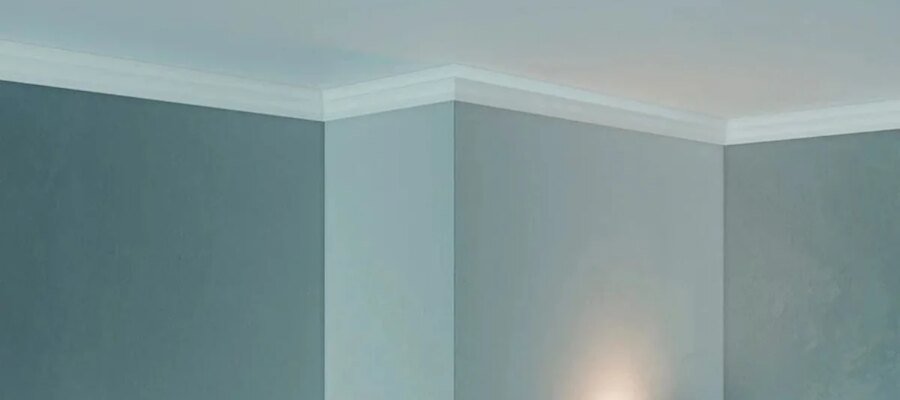
The finish of an environment is what guarantees elegance and a feeling of care. Often, when we think about decoration, we imagine the colors of the walls, the furniture or the lighting, but we forget an essential detail: the skirting board. This small object protects, enhances and finishes your walls, creating a complete and organized look. In recent years, polystyrene skirting boards have gained ground because they are a practical, economical and beautiful option. Today we will show you clearly and directly how to make a polystyrene skirting board, explaining all the steps, the necessary materials, useful tips and advantages to transform every room in your home. The goal is to be welcoming and informative, helping those who have never done this type of installation feel safe and confident in the process.
Why choose polystyrene skirting board
Polystyrene skirting, made of expanded polystyrene, is a modern option that combines numerous advantages. Being light, it facilitates handling, making both cutting and installation easier. Unlike other heavier materials, polystyrene can be transported easily, without requiring much effort. Another positive point is its moisture resistance. Unlike wood, polystyrene does not swell, does not mold and does not suffer from termite attacks. This feature makes it a safe choice for environments such as kitchens, bathrooms and even areas near windows. In addition to practicality and resistance, polystyrene skirting boards are also versatile in design. It can be found in different thicknesses and formats, adapting to both modern and classic decorations. And, if you want to change the color, simply apply some acrylic paint to harmonize the baseboard with the room’s color palette. With so many plus points, it’s clear why this solution has won so many admirers. It offers beauty, protection and affordable costs in a single product.
Materials needed to install polystyrene skirting
Before starting the application, it is important to organize all the necessary elements. This step avoids pauses and facilitates the progress of the work. The first essential material is the polystyrene sheets themselves, which must be chosen in the model and size that best suits the environment. To measure correctly, a tape measure is essential. The cut will be made with a very sharp knife, which guarantees precision and avoids splinters. Another important element is glue. There are specific glues that do not damage polystyrene, generally based on synthetic or acrylic resin. To spread the product evenly, an iron spatula is the best choice. You will also need a bucket with water and a sponge, used to clean any excess glue that may leak onto the sides. For finishing, fine sandpaper helps smooth seams and make joints imperceptible. If you want to customize the skirting board, it is recommended to prepare some acrylic paint and a brush. Therefore, after installation and drying, it will be possible to paint and add the finishing touch to the look. Organizing all these materials in a nearby space before starting is the key to making the installation convenient, hassle-free and hassle-free.
Wall preparation and measurements
The installation will have a good result only if the walls are prepared. This means that the surface must be clean, dry and free of dust, grease or loose paint. If there are irregularities it is advisable to sand or correct with putty, making sure that the surface is uniform. In addition to wall preparation, another essential step is measurement. Use the measuring tape to calculate the entire length of the walls where the skirting will be installed. Remember to include corners and allow for small losses that may occur during cuts. An important piece of advice is to always purchase around 10% more material, avoiding shortages in case it is necessary to adjust some parts. Careful measurement, combined with surface cleanliness, makes all the difference to a clean and beautiful finish.
Step by step on how to make a polystyrene skirting board
Now that the wall is ready and the materials organized, it’s time for installation. The process is simple, but requires attention to every detail so that the final result is uniform and elegant. Cutting the pieces: mark the exact measurements of the wall on the polystyrene and cut with a cutter. Try to keep the movement constant to avoid failure. For corners, you may need to cut at a 45-degree angle to create a snug fit. Application of the glue: use the spatula to spread the glue on the back of the skirting board, covering the entire surface, especially the edges. Use an even layer, without overdoing it, to prevent it from running. Wall fixing: place the piece in the desired position, aligning it well with the floor. Press gently for a few seconds until you feel the baseboard stick. Joining the pieces: When placing the next plates, place them firmly against each other, using glue on the sides to ensure a tight join. If any excess comes out, remove it immediately with a damp sponge. Final Finish: After attaching all the pieces, gently sand the seams to make them even. Leave to dry for approximately 6-8 hours before painting. If you choose to paint, use acrylic paint and brush evenly, ensuring a sleek look. By following this step-by-step guide it is possible to install polystyrene skirting boards with practicality and obtain a result that transmits care, beauty and harmony to the environment.
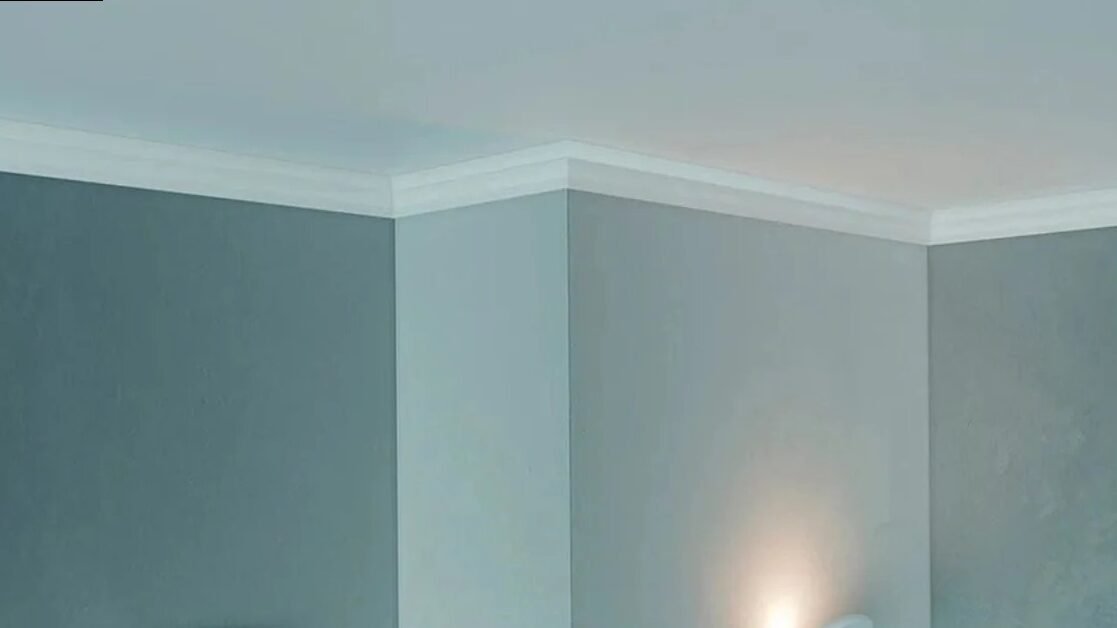
Photo: reproduction
Tips for improving results
While simple, a few details can make the installation even more efficient. Working in a clean and organized environment helps avoid dirt and makes travel easier. Using straight cut templates in corners greatly improves the finish, especially in the corners. Another tip is to choose quality glues that do not contain solvents capable of corroding polystyrene. It is also interesting to paint the skirting board only after it is completely set and dry. This prevents smudging and ensures that the paint remains uniform. If you prefer to maintain the original white color, we still recommend applying a layer of acrylic paint for greater protection from dirt. These small choices make a difference in the long term, prolonging the life and new look of your baseboard.
Advantages of polystyrene skirting boards
In addition to the ease of installation, polystyrene skirting boards offer other important advantages. It is convenient, which allows you to renovate an environment by spending little. It is versatile, as it can be installed in different types of environments, from the simplest to the most sophisticated. Its moisture resistance ensures durability, even in places where other materials may deteriorate quickly. Another advantage is its lightness, which facilitates transport and handling. This allows anyone, even without experience in the construction sector, to carry out the installation without difficulty. Furthermore, since it is paintable, the polystyrene skirting board allows customization, adapting to any decorative style. These characteristics make polystyrene skirting boards a complete solution: economical, practical and aesthetically pleasing.
Why buy from Rodapé Shop
Choosing the right material is important, but it is also essential to rely on a reliable shop. At Rodapé Shop you will find quality polystyrene skirting boards, designed to facilitate installation and ensure durability over time. In addition to the products, the shop offers attentive service and solutions that enhance your project. If you are looking for advice, ideas and tutorials, the Rodapé Shop blog is also full of content that inspires and teaches in a clear and practical way. In this way you will be able to learn, choose and apply yourself with complete peace of mind, always with the support of someone who understands the subject.
See our options for Arquitech items!
Frequently Asked Questions (FAQ)
Can polystyrene skirting boards be used in any environment?
Yes, it can be used in living rooms, bedrooms, corridors and even in places with higher humidity, such as kitchens and bathrooms, as it does not absorb water.
Is it difficult to install polystyrene skirting boards?
No. Installation is simple and only requires cutting, applying glue and fixing. With care, anyone can perform the process.
Do I need to paint the polystyrene skirting board?
Painting is not mandatory, but is recommended. It helps protect the piece and allows the color to blend in with the room’s decor.
latest posts published

Necessary accessories for a perfectly functioning terrace

Ancient wood sources for authentic projects

Tips for choosing an electric scooter

How do we preserve fruit and vegetables for the winter?

For a cleaner home: choose the most suitable vacuum cleaner!
Special carpets for spaces with heavy traffic
How to install LVT on steps with rounded edges
Design trends for colored rubber flooring
Antibacterial linoleum: safe option for schools and hospitals