
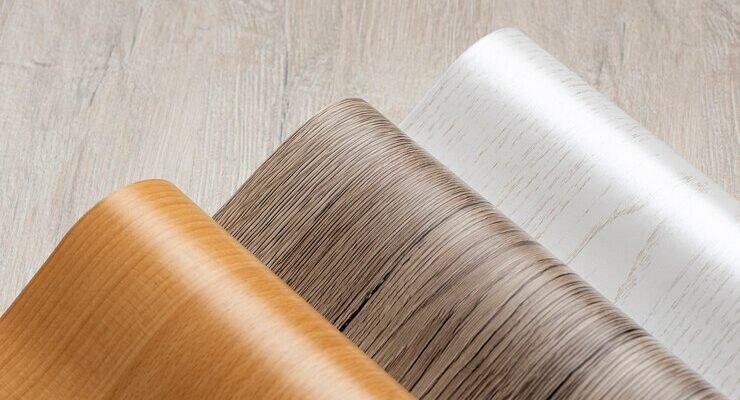
When it comes to choosing flooring residential complexes OR residential projectstwo of the most popular options are LVT (Luxury Vinyl Tile) and linoleum. Both materials have unique characteristics, but there are key differences that can influence your final decision. As the manager and founder of RATGROUP SRL, with over 10 years of experience in the flooring field, I have had the opportunity to work with both types of flooring, thus having a deep understanding of the advantages and disadvantages of each.
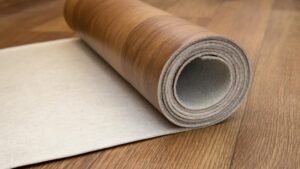
With regard to compositionLVT is made of PVC, with a layered structure that includes a base layer, a design layer and a wear layer. This composition gives it superior flexibility and durability. On the other hand, linoleum is made from natural materials such as linseed oil, pine resin, and wood flour, making it an environmentally friendly option. However, this natural composition may result in a shorter lifespan than LVT, especially under heavy use conditions.
Durability and wear resistance they are essential aspects in the choice of flooring. LVT is known for its scratch and stain resistance, making it ideal for high-traffic areas such as residential complexes. For example, in a recent project for a residential complex of Bihor, we used specialized Wolf brand machines to ensure perfect installation of the LVT floors, which have demonstrated exceptional resistance to daily wear and tear. Linoleum, although less resistant to scratches, can be a good choice for low-traffic areas.
Another important aspect is WATERPROOF. LVT is completely waterproof, making it ideal for bathrooms and kitchens. Linoleum, on the other hand, is permeable and can absorb moisture, which can cause it to deteriorate over time. In a recent project at the Passau Regional Hospital we chose LVT due to its stringent hygiene and waterproof requirements.
The impact ecological of the materials used is another decisive factor. Linoleum is considered more environmentally friendly due to its natural composition. LVT, while not as environmentally friendly, has evolved in recent years and some products are now made from recycled materials. We at RATGROUP SRL are committed to offering solutions that comply with ecological standards, choosing suppliers who use sustainable processes.
When it comes to installation and maintenance costsLVT may be more expensive initially, but its long-term durability often makes up for this investment. Linoleum has a lower initial cost, but may require more frequent maintenance. In a recent project for a residential complexwe used Columbus professional sanders to guarantee a perfect finish to the LVT floors, significantly reducing the need for subsequent maintenance.
Aesthetics and the variety of designs available are other important aspects. LVT is available in a wide range of colors and textures, perfectly imitating wood or natural stone. Linoleum also offers a variety of colors, but does not have the same ability to reproduce the look of natural materials. In the project of a new apartment in Bihor we chose LVT with a design that imitates the ancient Admonter wood, which brought a significant aesthetic advantage.
With regard to thermal and acoustic comfortLVT is pleasant to the touch and absorbs sound better than linoleum. This makes it ideal for new homes or new studios where comfort is essential. LVT is also compatible with underfloor heating systems, making it a great choice for modern homes.
Ease of cleaning and maintenance is another advantage of LVT. It can be easily cleaned with water and neutral detergent, without the need for special products. Linoleum may require specific products to maintain its appearance. On a recent project at Caverion Deutschland GmbH, we used specialized Janser machines to ensure quick and efficient installation of LVT flooring, reducing the time required for subsequent maintenance.
The time of installation and the complexity of the process varies between the two types of flooring. The installation of LVTs can be faster thanks to click systems or modern adhesives such as UZIN or Wakol that we frequently use. Linoleum often requires more careful preparation of the substrate and may take longer to adapt to environmental conditions.
Recommendations for using LVT or linoleum really depend on the type of space. For commercial premiseswhere traffic is heavy, LVT is often preferred for its durability. Conversely, linoleum can be a good choice for offices or low-traffic spaces. Feedback from our customers has been extremely positive about the use of LVT in our recent projects.
Performance in high humidity conditions is another important consideration. LVT performs very well in these conditions, while linoleum can be damaged if not properly maintained. Our internal testing has shown that LVT resists stains and scratches much better than linoleum.
In conclusion, the choice between LVT and linoleum depends on the specific needs of each project. We at RATGROUP SRL are dedicated to providing the best solutions to our customers. We invite you to visit our office in Sat Chiribiș, n. 238, Bihor to discuss your options for new homes, new apartmentsor any other type of residential project. Our extensive experience and professional equipment allow us to deliver exceptional results that meet the most demanding requirements.

latest posts published

Necessary accessories for a perfectly functioning terrace

Ancient wood sources for authentic projects
Tips for choosing an electric scooter

How do we preserve fruit and vegetables for the winter?

For a cleaner home: choose the most suitable vacuum cleaner!
Special carpets for spaces with heavy traffic

How to install LVT on steps with rounded edges
Design trends for colored rubber flooring
Antibacterial linoleum: safe option for schools and hospitals