
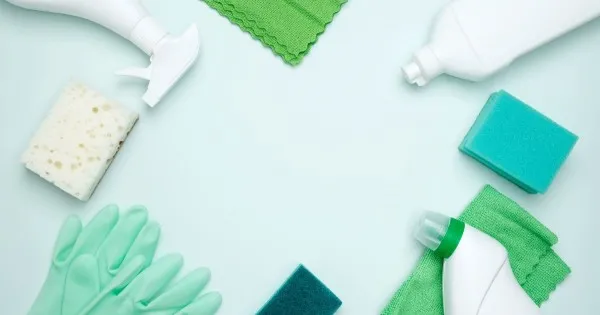
Behind every red cloth, blue bucket or yellow broom is a logical system, tested and validated in professional environments around the world. The color code of cleaning helps prevent cross-contamination, i.e. avoiding the transfer of dirt, bacteria and viruses from one area to another.
Find out from the Sanito guide how color coding works, why it is so important, which equipment must be aligned with the system and how to implement it correctly in every professional space!
What exactly is the color code in cleaning?
Think about the situation where all the cloths, brushes and buckets would be present the same color. How do you know which is used in the bathroom and which in the kitchen? That’s right, you wouldn’t know, and this can lead to mistakes with unpleasant effects, especially when it comes to hygiene.
Color coding is basically a simple and effective system by which we assign different colors to distinct cleaning tasks or spaces. It’s like creating a “visual map” that guides you without having to read labels or remember complicated instructions.
In short? Colors help you organize, prevent cross-contamination and give you peace of mind that you’re cleaning well, in the right place.
And the most beautiful? Once you get used to the system, it will become your second reflex in the cleaning process.
Why is it so important to separate colors when cleaning?
It may seem like a small detail, but choosing the wrong color of fabric can have serious consequences. Especially in professional environments, hospitals, HORECA units, medical practices or shopping centers, Failure to color code may cause cross-contaminationthat is, the transfer of bacteria or viruses from one area to another.
Athe so-called surfaces retain microorganisms longer. For example, hard plastic in toilet lids or sink handles can hold bacteria for up to 72 hours. If you use the same cleaning equipment in multiple spaces, without clear differentiation, you are basically carrying germs from one place to another, even if the cleaning solution is good.
Moreover, cleaners tend to make quick decisionsby color, not by labels or written instructions. So a well-chosen color, in addition to organizing, also educates, becoming a clear and immediate signal on what and where to use it.
Another important detail? Some international hygiene standards (such as those of BICS or CEN/TC 329) expressly recommends the separation of equipment by color in order to satisfy hygienic-sanitary safety requirements.
Where cross-contamination most often occurs and how to stop it before it starts
Cross-contamination is not visible to the naked eye, but its effects are felt quickly: persistent odors, dirt that “returns” after cleaning, the appearance of mold or, more seriously, the transmission of dangerous bacteria such as E. coli, Salmonella OR Staphylococcus aureus.
Very often cross contamination occurs:
-
between the toilets and other spaces – when the same professional cloths/brushes are used for both bathrooms and kitchens or offices;
-
in professional kitchenswhere the same utensils are used for the raw and cooked areas;
-
in hospitals and clinicsin particular between treatment rooms and common areas;
-
in the common areas of the offices – cleaning the lunch table with the same cloth used for the rubbish bin is more common than you think;
-
to mobile devicessuch as cleaning trolleys, if they are not well compartmentalised and labelled.
How can cross contamination be effectively prevented?
-
apply a clear and consistent color codeeasy to understand for anyone on the team;
-
railway staffnot just once, but on a recurring basis, especially due to personnel or product changes;
-
use dedicated equipment per area – each space must be equipped with cloths, brushes, buckets, etc.;
-
label clearly and keep everything separate – even during drying or storage;
-
constantly review procedures – because hygiene is not a one-off “tic”, but a continuous process.
Careful! Even a simple gesture, such as using the same pair of gloves from the bathroom to the kitchen area, can be enough to contaminate surfaces.
What each color means and how to use them correctly
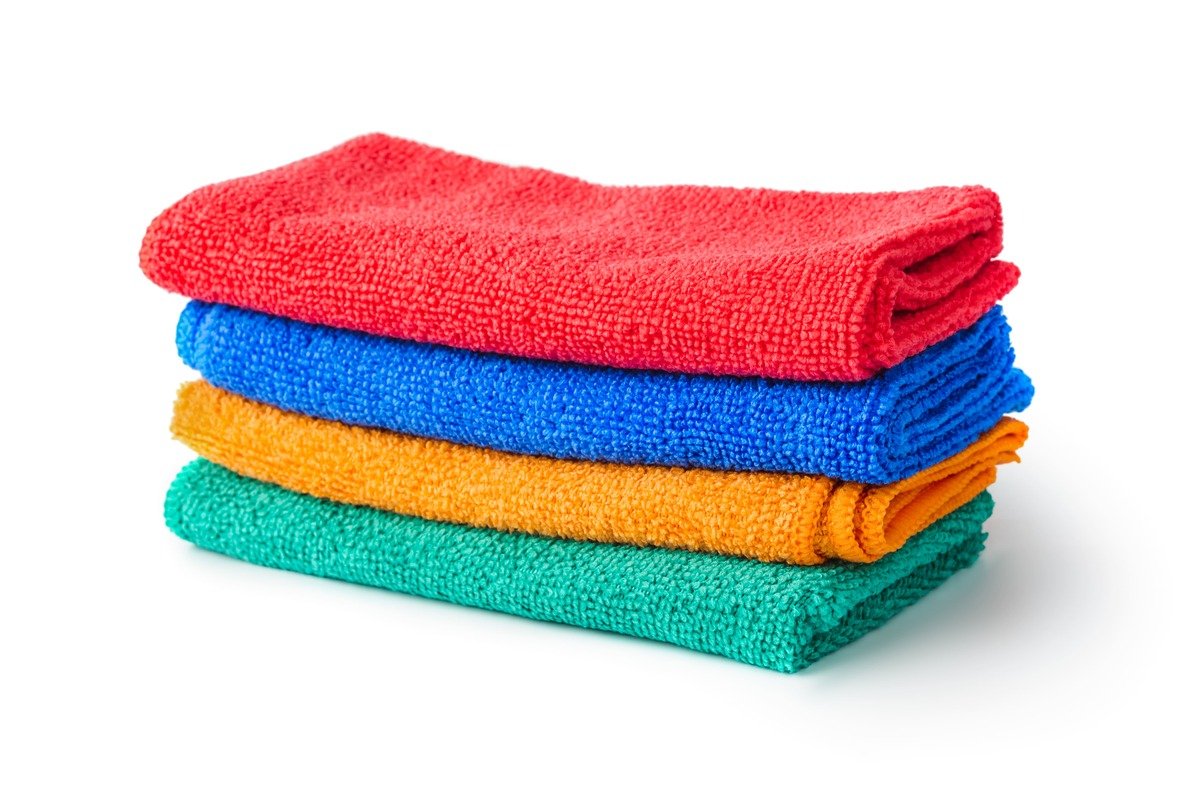
Photo credit: Shutterstock
You ask yourself What is each color of fabric used for?? Here’s the answer!
Red – high risk areas (and why you don’t want to go wrong here)
Red is the “alarm” color in terms of cleanliness. It is associated with the areas at greatest biological riski.e. toilets, urinals, toilet seats, drains and surrounding floors. The reason? The most aggressive bacteria are found here and hygiene errors can lead to massive contamination.
Using a red cloth in another area (for example in the kitchen or office) is one of the worst cleaning mistakes. If you work in a professional environment, it can also be sanctioned in case of a hygiene check.
Ideally, products should be red clearly labeled AND kept separatelyeven during washing or storage.
Yellow – for bathrooms, but not what you think
The color yellow is also used in bathrooms, but NOT for toilets. It’s expected medium contact surfaces: sinks, mirrors, tiles, taps, door handles or cabinets in the sanitary area. They are touched often, but do not pose the same risk as the toilet.
Many people get confused and use the same yellow cloths for the toilet too, but in the color code system, that’s a definite “NO”..
In some international systems, yellow is also the color associated with frequently disinfected areas, precisely due to the greater contact with hands.
That’s how important hand washing rules are!
Green – where you want hygiene and freshness
Green is associated with food areas or with spaces where a high level of cleanliness and safety is desired. It is the ideal color for kitchens, cold rooms, food preparation areas, but also for treatment rooms or doctors’ offices.
Why green? Visually it is associated with safety and cleanliness and, in practice, helps maintain clear separation from high-risk areas.
In professional environments, green cloths and mops should only be used in these spaces, never in the bathrooms or in high traffic areas.
Blue – for general spaces, but with clear rules
Blue is the most used color low risk areas: waiting rooms, offices, reception, hall, furniture, conference tables. Where food is not prepared and there is no direct contact with biological fluids, blue is a safe choice.
However, this does not mean that blue products can be used everywhere. Professional cleaning means following the protocol in every corner of the building.
Which cleaning products should be color coded?
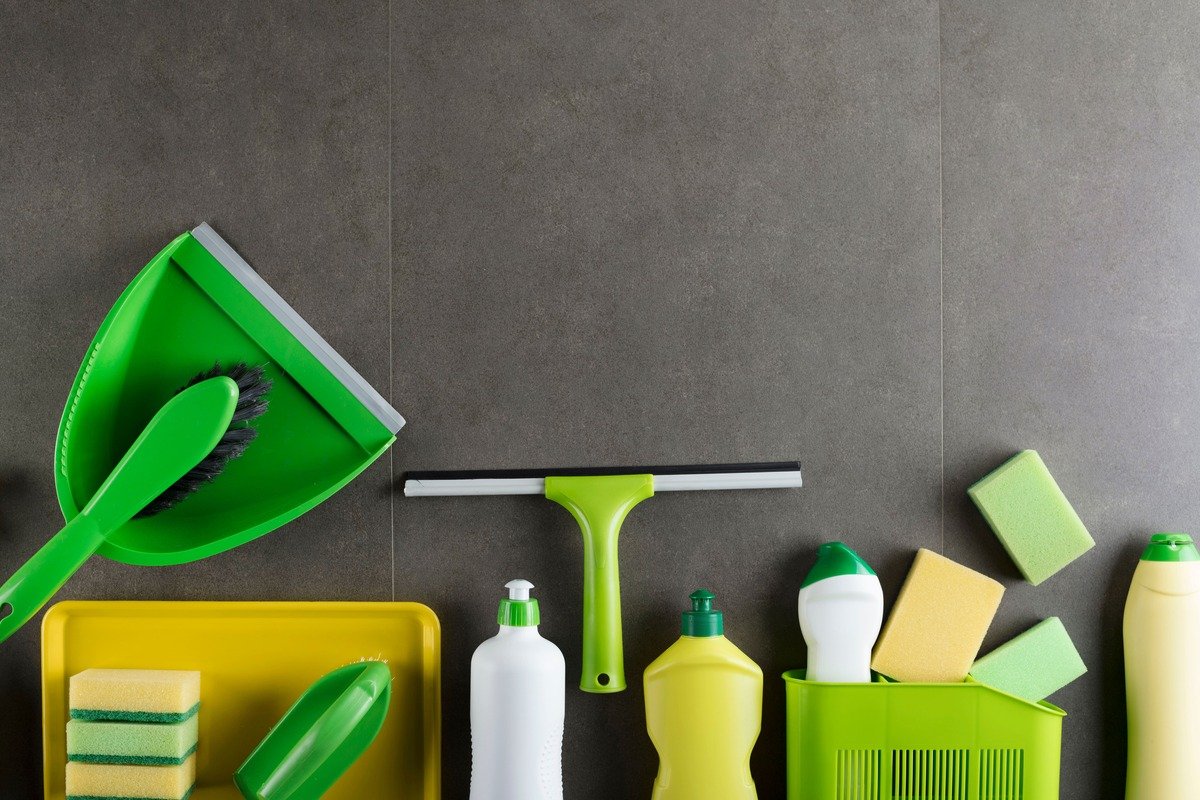
Photo credit: Shutterstock
Here are some cleaning products it definitely should to respect the color code:
- Microfibre or cotton cloths: they are among the most used and, unfortunately, the most commonly confused. A cloth used in the bathroom CANNOT be used in the dining room. The color coding makes a difference at a glance.
- Mops and mop heads: floors are excellent “bacteria carriers”. If you use the same mop for the kitchen and the bathroom, contamination is guaranteed. The colors help with clear separation.
- Cleaning buckets: the buckets must match the color of the cloths. If you have a red bucket and a blue mop, sooner or later someone will make a mistake.
- Sponges and brushes: especially in the HORECA sector, where there is a risk of food contamination. One green sponge for the raw meat area and another for the serving area – the difference can mean food safety or food poisoning.
- Cleaning trolleys: if you have multiple compartments, it’s best to organize them by color. This avoids confusion and allows rapid interventions in large spaces, such as shopping centers, hospitals, hotels.
- Reusable gloves: although many do not consider them essential in the color code, gloves should also be differentiated. One pair for the bathroom, one for the dining area, one for the common areas.
- Bottles of diluted solutions or work containers: if you have universal detergents decanted into work bottles, it is ideal that they have colored labels or colored caps, in tone with the area of use. Helps prevent misapplications.
Choose to clean intelligently, with clear rules and reduced risks. Effective cleaning starts with… the right color in the right place!
Sursa photo: Shutterstock
latest posts published

Necessary accessories for a perfectly functioning terrace

Ancient wood sources for authentic projects

Tips for choosing an electric scooter

How do we preserve fruit and vegetables for the winter?

For a cleaner home: choose the most suitable vacuum cleaner!

Special carpets for spaces with heavy traffic

How to install LVT on steps with rounded edges
Design trends for colored rubber flooring

Antibacterial linoleum: safe option for schools and hospitals