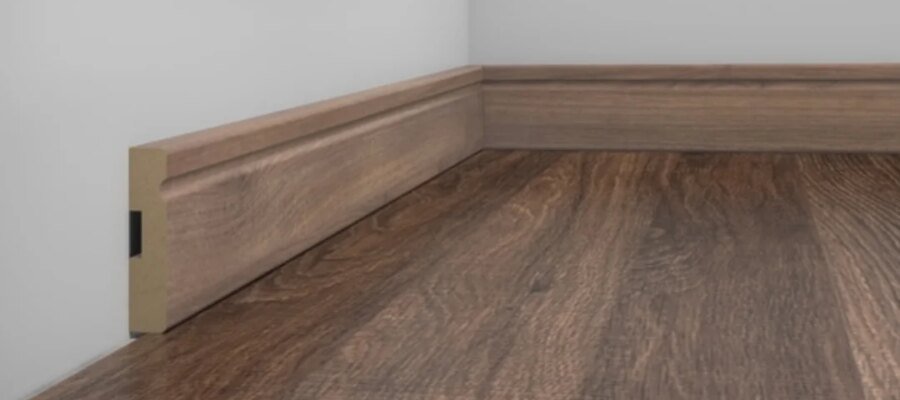
Removing baseboards is a common task in renovations and decorative changes. This finish, placed at the base of the walls, in addition to protecting against impacts and dirt, also adds an aesthetic touch to the environment. However, when the time comes to change or simply remove the skirting board, many people have doubts about how to do it correctly and without damaging the wall or floor.
The good news is that, with the right materials and a little care, the process can be done practically. In this guide, you’ll learn how to remove baseboards from wood, ceramic, porcelain, MDF, and even Styrofoam models. You’ll also see what tools to use, how to prepare the space, and what to do after removal to ensure a clean, well-done finish.
Why remove the footer?
Before learning how to remove it, it is important to understand the most common reasons that lead to removal:
- Renovation or change of style: Often the old skirting board no longer matches the new furniture or needs to be replaced with a more modern model.
- Damage to the skirting board: infiltrations, termites, cracks and wear make it necessary to remove the piece.
- Floor replacement: If you replace the floor it may be necessary to remove the skirting board to adapt it to the new finish.
- Wall maintenance: in case of mould, humidity or peeling paint, removing the skirting board helps solve the problem at the base of the wall.
Required materials and tools
To make the process quick and safe, prepare the following items before starting:
- Sturdy steel spatula
- Fine chisel or chisel
- Hammer or rubber mallet
- Pliers (for removing nails)
- Knife (for cutting glue or mortar)
- Screwdriver (on some models with screw fixing)
- Protective gloves
- Safety glasses
- Sheet or cardboard to protect the floor
Having the right tools will prevent damage to both the wall and the baseboard if you want to reuse it.
How to remove wooden or MDF skirting boards
Wooden and MDF plinths are very common in houses and apartments. They are usually fixed with nails or glue. Here’s how to remove:
- Identify the type of fixation: Check if there are visible nails or if the baseboard is simply glued.
- Start from the ends: Use the putty knife or chisel to create an opening between the skirting board and the wall.
- Remove little by little: insert the tool and tap lightly with the hammer to loosen the piece.
- Remove nails or glue residues: if there are nails, use pliers; If it’s glue, use a stylus to remove the excess.
- Finish carefully: pull the plinth slowly so as not to break the wood.
Tip: If you want to reuse your skirting you need to take extra care to avoid chipping or cracking.
How to remove ceramic or porcelain baseboards
This type of skirting tends to be more difficult to remove because it is fixed with mortar. The process is similar to removing flooring:
- Protect the floor to prevent fragments from causing damage.
- Use the chisel: position the tool at the junction between the skirting board and the wall.
- Hitting with the hammer gently to release the piece.
- Continue the process until the skirting comes off completely.
- Remove the mortar that remained on the wall with the spatula.
This process tends to generate a lot of dirt, so be patient and wear a dust mask.
How to remove polystyrene (EPS) skirting boards.
Polystyrene skirting boards are modern, lightweight and generally glued with their own adhesives. They are easier to remove than ceramic ones.
- Slide the stylus along the sides to release excess glue.
- Engraved Spatula between the skirting board and the wall.
- Make lever movements until the piece comes off.
- Clean up any glue residue with a spatula or fine sandpaper.
Because they are more delicate, these baseboards can crack during the process. If you want to reuse them, it’s important to proceed slowly.
Tips to avoid damaging the wall
- Always start from the ends or corners.
- Use moderate force: pushing too hard can tear off chunks of plaster.
- If the glue is very tough, use heat with a heat gun to soften it.
- After removal, make minor repairs to the wall with caulk before installing the new baseboard.
What to do after removing the skirting board?
After removal it is important to prepare the space to receive the new finish or simply refinish the wall. Some recommended steps:
- Sand the wall to remove glue or mortar residues.
- Correct imperfections apply stucco or plaster.
- Paint the base of the wall before installing new skirting, ensuring a nicer finish.
- Clean the floor to avoid scratches or accumulations of dirt.

Is it worth hiring a professional?
If you don’t have experience with renovations, hiring a builder or installer may be your best bet. This ensures that the removal is carried out with less risk of damaging the wall or skirting board. However, for those who like to get their hands dirty, following the steps above, it is entirely possible to do the job yourself.
Conclusion
Removing baseboards doesn’t have to be a headache. With the right materials, attention to the type of skirting board and patience in processing, you can easily remove the finish. Whether it is to renovate, change style or solve infiltration problems, correct removal avoids rework and prepares the environment to receive a new look. Whether it’s a wooden, ceramic or polystyrene skirting board, the secret is to take it easy, protect the surfaces and have the right tools. This makes your renovation more practical, faster and with an impeccable finish.
Frequently Asked Questions (FAQ)
Is it possible to reuse the skirting board after removing it?
Yes, as long as the process is done carefully. Wooden and Styrofoam skirting boards are more easily reused, while ceramic ones tend to break in the process.
Can I remove skirting boards without damaging the wall?
It is possible, but requires attention. Using the correct tools, applying moderate force and subsequently preparing the surface helps prevent further damage to the plaster.
Is it necessary to remove the entire baseboard to replace the flooring?
In most cases yes. This way the new floor is installed correctly and the skirting board can be replaced or replaced with another more modern model.
latest posts published

Necessary accessories for a perfectly functioning terrace

Ancient wood sources for authentic projects

Tips for choosing an electric scooter

How do we preserve fruit and vegetables for the winter?

For a cleaner home: choose the most suitable vacuum cleaner!
Special carpets for spaces with heavy traffic
How to install LVT on steps with rounded edges
Design trends for colored rubber flooring
Antibacterial linoleum: safe option for schools and hospitals