

Fish 600 million people suffer every year from unsafe food. Behind these numbers lie a lack of hygiene, negligence and inadequate equipment. For companies in the food sector, a moment of inattention can mean recalled products, large fines, criminal prosecution, or permanent business closure. [1]
This article is for you if you want to know:
-
what are the most important food hygiene standards;
-
what happens if you neglect them;
-
and how to choose the best professional products for total safety.
The main hygiene standards in the food industry
Here are the main hygiene rules in the food industry that every employee must follow:
Correct hand hygiene
Employees’ hands often come into contact with food, packaging and work surfaces. Here’s why frequent washing and disinfection it is mandatory. The ideal is to provide:
Install dispensers at the entrance to production rooms and near every food handling point!
Cleaning and disinfection of surfaces
Worktops, cutting tables, equipment and conveyor belts must be constantly sanitized. Not just visibly clean, but decontaminate completely:
-
use professional detergents for the food sector (e.g.: Kiehl Grasset);
-
apply to broad-spectrum surface disinfectants – suitable for stainless steel, plastic or tiles (e.g.: Sumo Bac D10 Ecolila);
-
for surfaces sensitive to moisture, opt for Ready-to-use disinfectant wipes.
Include trolleys for professional cleaning and cloths from Color coded microfibre to avoid cross contamination!
Personal hygiene: clean employees, safe products
Employees who work with food must follow strict personal hygiene rules:
-
always wear disposable caps, nitrile gloves AND clean protective gowns;
-
avoid jewelry, strong perfumes and long or painted nails;
-
wash and disinfect your hands before and after every break, change of activity or contact with other surfaces.
Create visible access routes to changing rooms, handwashing areas and supply stations!
Food handling: every detail counts
HACCP regulations require that all processes, from receipt, to storage and delivery, take place under strict hygienic conditions. This means:
Equip each area with containers with lid and pedal, Notrax professional mats at the entrances e automatic sanitization devices!
What can happen if hygiene is neglected?

Photo source: Shutterstock
In the food sector, Neglecting hygiene is not just a mistake. It’s a calculated risk with destructive potential. The costs are enormous and the damage is difficult to repair – financially, legally and reputationally.
Contaminated products → batch recall, fines or criminal proceedings
Accidental contamination with Listeria, Salmonella or E. coli can quickly reach the attention of the media and authorities.
According to a report by EFSAAbove 5,000 refreshment points have been recorded every year in Europe in recent years and in 42% of cases lack of hygiene was identified as the main factor. [2]
The recall of a single batch can cost tens of thousands of euros, and if there is even a criminal case for endangering public health, the consequences become devastating.
Unexpected inspection → temporary closure, loss of certifications
Failure to comply with HACCP standards or the provisions of EC Regulation 852/2004 may result in:
-
fine for contravention (up to 30,000 lei in Romania)
-
suspension of activity
-
loss of food safety licenses and certifications
And in the case of exporters it can lead to the loss of certification immediate exclusion from international distribution chains.
-> Find out more about the importance of disposable gloves and where to use them!
Reputation destroyed → loss of HoReCa/retail contracts
Customers won’t give you a second chance if it comes to hygiene. A negative review on social media or a public hygiene incident can lead to termination of the partnership. Studies prove it 68% of consumers permanently avoid a food brand after a contamination incidentregardless of whether the fault has been confirmed or not. [3]
Sick employees → absences due to illness, staff shortages
Poor hygiene leads to the accumulation of bacteria, fungi and viruses in production spaces. This increases the rate of illness, especially among personnel working in enclosed, damp or organic spaces.
Consequence? Paid medical days, staff shortages, production delays and a high risk of spread among customers.
5 reasons why hygiene in the food industry is extremely important
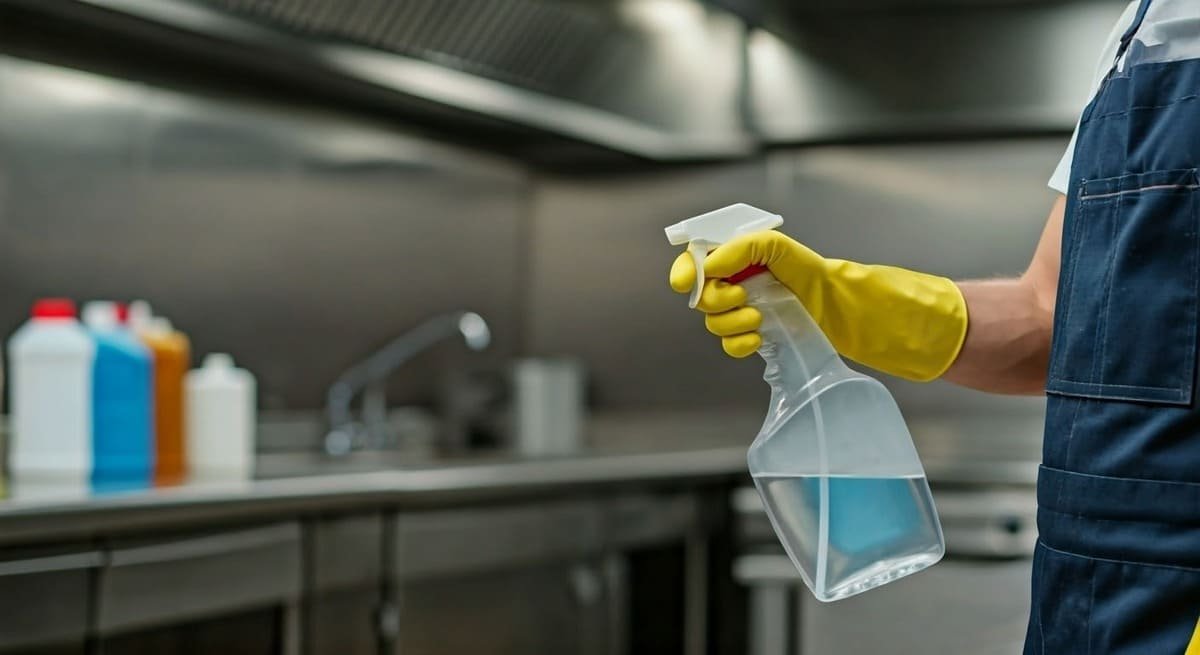
Photo source: Shutterstock
According to EC Regulation 852/2004 on food hygiene and ANSVSA Ordinance 111/2008, food sector operators must implement clear hygiene procedures, based on risk analysis. Any failure to comply may result in serious penalties. Sanito offers products that meet these requirements. [4]
Prevention of food contamination
In the food industry, a single hygiene mistake can lead to mass contamination of products. Direct or indirect contact with pathogens, on staff hands, equipment or surfaces, can cause toxic infections, product recalls and serious harm.
What specifically helps you:
-
antibacterial liquid soapshand sanitizers (with or without alcohol);
-
vending machines – eliminates contact with common surfaces;
-
disinfectants for surfaces and food utensils (with biocide approvals);
-
microfibre cloths colored according to HACCP codes.
Compliance with legal regulations and HACCP certifications
In order to operate legally and efficiently, any food industry facility must comply with strict hygiene standards, starting with EC Regulation 852/2004 and continue with the implementation of the HACCP system. Cleaning must not only be visible, but documented, verifiable and repeatable.
Protection of brand reputation
In a delicate sector like the food sector, reputation is difficult to build and can be lost overnight. A negative review, a viral photo of a messy space, or, more seriously, a hygiene scandal can damage consumer and partner trust.
What you can do preventatively:
-
invest in professional entrance mats: reduce dirt and bacteria brought in from the outside;
-
mount modern dispensers, with a clean designfor a professional appearance in all areas;
-
ensure that the waste area is managed with closed containers, resistant to corrosion and odors.
Reduce food losses and waste
Contaminated or poorly stored food is thrown away. In addition to the direct cost of lost products, there is also the waste of labor, energy, packaging and resources. Good hygiene increases the shelf life of food and reduces unnecessary losses.
How Sanito helps you:
-
durable cleaning bagsthat do not break and prevent leaks;
-
paper dispersions and industrial paper reelsuseful for preventing contamination of liquids;
-
professional degreasing solventswhich removes residues that can attract pests or cause mold.
Ensure a safe working environment for employees
A clean environment not only means safe food, but also safe employees. Wet floors, unremoved grease or food residue can cause slips, cuts or accidents. In the long term, poor hygiene leads to an unsafe and demotivating work environment.
When you choose the right products, you choose the peace of mind of doing things well. At Sanito you can find professional solutions tested, certified and adapted to the requirements of the food industry: from antibacterial soaps to smart toilet lids or cleaning trolleys.
- Order online with fast delivery and discounts for recurring purchases.
- Free consultation and personalized offers.
latest posts published

Necessary accessories for a perfectly functioning terrace

Ancient wood sources for authentic projects

Tips for choosing an electric scooter

How do we preserve fruit and vegetables for the winter?

For a cleaner home: choose the most suitable vacuum cleaner!

Special carpets for spaces with heavy traffic

How to install LVT on steps with rounded edges

Design trends for colored rubber flooring

Antibacterial linoleum: safe option for schools and hospitals