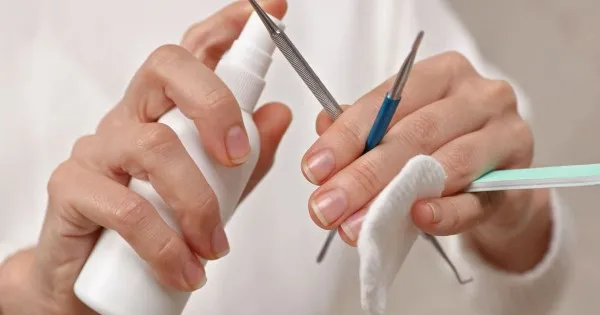
Customers notice more than you think: if you have a clean disinfectant dispenserthe environment smells good, whether the instruments are coming out of the autoclave or are “freshly cleaned”. And you, as a professional, know it safety starts with hygienenot the color of the enamel.
Whether you’re just starting out or have been running a long-standing salon, you probably have the same questions:
What do I choose: autoclave, cold sterilizer or high-level instrument disinfectant?
Is it sufficient to use the Klintensiv instrument disinfectant or do I also need a product like Barbicide?
How can I make sure I follow the rules without wasting time between clients?
In this article you will find out which methods are the safest and most recommended sterilization and disinfectionhow to apply them correctly and what mistakes to avoid. You will understand the real difference between an effective product and a simply “scented” one, and you will be able to build a work protocol that protects both your reputation and your customers.
What differentiates sterilization from disinfection of manicure and pedicure instruments?
Sterilization eliminates all microorganismsincluding spores, bacteria and viruses, ensuring maximum safety for you and the customer. Disinfectioninstead, right reduces the number of pathogensbut it does not guarantee complete protection against the transmission of infections.
This means that:
-
duty always sterilize instruments that come into direct contact with skin, nails or fluids – such as scissors, metal files, cuticle nippers, curettes etc.
-
for surfaces or tools plastic, wood or other temperature-sensitive materialsapply to high-level disinfectant for instrumentsfor example Intensive clinic, Barbicide OR Sterisol disinfectant– they are all approved solutions, suitable for professional salons.
Correct preparation of instruments for sterilization
- Wash immediately after use! Rinse the tools under cold or warm water, then use a nail brush or detail brush to remove them residues of leather, dust, gel or paint. This prevents the adhesion of microorganisms and protects the sterilizer.
- Enter the pre-treatment disinfectant solution! Use a special solution! Follow the manufacturer’s recommended action time, and if you have one, use one ultrasound device – removes microscopic debris from hard-to-reach areas (screws, joints, internal edges).
- Rinse and dry thoroughly! After disinfection, rinse the instruments with clean water and dry them disposable paper towels (ideally from the professional ranges, gen Hygienic disinfectant). Thorough drying is essential for:
This ritual may seem simple, but following it rigorously is what sets you apart from an “ok technician” and a reliable professionalrecommended by customers and respected by authorities.
Safe steps for sterilizing instruments
- Hot air oven (Pupinel): usually the temperature is set between 125°C and 180°C. The tools are placed in special paper bags and left for at least 40 minutes, ideal for scissors and other metal tools.
- Autoclave (steam sterilizer under pressure): opt for the temperature between 121°C and 134°C, with a cycle duration between 15 and 60 minutes. Use indicator bags to monitor the sterilization process. The choice of the autoclave guarantees constant results, especially when sterilizing instruments with complex shapes, such as curettes.
- Alternative solutions: If you don’t have special equipment, boil the tools in water for a few minutes, although this method does not eliminate resistant spores. For instruments made of plastic or temperature-sensitive materials, use authorized disinfectants or a UV sterilizer for added protection.
How are sterilized instruments stored?
Sterilization itself is not enough if the tools are contaminated immediately after the process. Here’s why correct conservation it is the final and essential step to ensure hygiene and safety at work. Here’s what you need to know and apply:
Choose sealing bags suitable for the type of sterilization
After sterilization the instruments must be packaged sterilization bags which preserves the sterile condition and provides a visual indicator of the process (its color changes after adequate sterilization).
Bags must be large enough to not strain instruments and allow air/steam circulation during sterilization.
Label and record
-
Write on each bag:
-
Keep it sterilization sheet (manual or digital), where you record:
-
daily sterilization cycles;
-
indicator checks;
-
any technical problems or process resets.
-
This traceability is extremely important in the event of a health check or complaint.
Store in a hygienic, closed and protected space
Sterilized instruments are not stored on open shelves. Even if they are in sealed bags, exposure to dust, steam, moisture or accidental contact will compromise them.
If the salon has one drawer with UV lightyou can use it for or additional sanitation servicesbut NOT as a replacement for sterilization.
Handle properly and maintain hygiene until use
-
Open the bag only in front of the customerbefore use.
-
Manipulate tools with clean gloves.
-
Immediately dispose of the used bag in a contaminated waste container.
Respect the sterilization shelf life
-
An instrument properly stored in a sealed bag, remains sterile between 7 and 21 daysdepending on the storage conditions.
-
If the bag is damaged or touched accidentally, resume sterilizationeven if the time is not up.
See how you protect yourself from germs!
Further hygiene and safety recommendations

- Clean work surfaces after every customer! Use one surface disinfectant approved, such as Klintensive surfaces or one concentrated detergent-disinfectant. Pay particular attention to the work table, the client’s chair and the manicure support arm.
- Use disposables whenever possible! Files, sticks, sanitary pads, gloves, masksbut also paper towels – everything should be replaced after each customer. If you use metal files or other reusable tools, they must sterilized without exception after each use.
- Sanitize common areas frequently! Don’t forget the door handles, switches, POS, phone screen, reception area and customer restroom. Mount one disinfectant dispenser at the entrance and in the work area.
- Ensure good ventilation of the room! The smell of chemicals, nail dust and disinfectant fumes must be constantly removed. Open windows frequently or use a air purification system.
- Respect personal hygiene like a professional! gate clean uniform every daytie your hair back and wash your hands before and after each customer. Do not use the same gloves or mask for multiple clients.
- Educate your customers subtly! View at hygiene protocol (written simply and clearly), indicating that you sterilize instruments, change materials, and clean the area after each client. An informed customer will appreciate the effort and associate it with your professionalism.
- Check sterilization equipment periodically! Conduct regular tests with biological tests or indicators for autoclave. Clean the inside of the door and the autoclave according to the technical instructions.
- Do minimal training with female employees! If you have a team, make sure everyone knows it the correct cleaning, disinfection and sterilization phases. Create a mini-guide or indoor poster next to the cleaning area.
- Don’t forget your long-term protection! Use safety glasses when filing with the electric router.
Use an FFP2 mask if you work with sawdust or volatile products on a daily basis.
Pay attention to the warning signs and risks associated with sterilization; some substances or procedures can cause irritation or damage to instruments if not used correctly. Focus on prevention and maintain regular contact with specialists to ensure a safe, clean and professional working environment.
Photo source: Shutterstock.com
latest posts published

Necessary accessories for a perfectly functioning terrace

Ancient wood sources for authentic projects

Tips for choosing an electric scooter

How do we preserve fruit and vegetables for the winter?
For a cleaner home: choose the most suitable vacuum cleaner!

Special carpets for spaces with heavy traffic
How to install LVT on steps with rounded edges
Design trends for colored rubber flooring
Antibacterial linoleum: safe option for schools and hospitals